


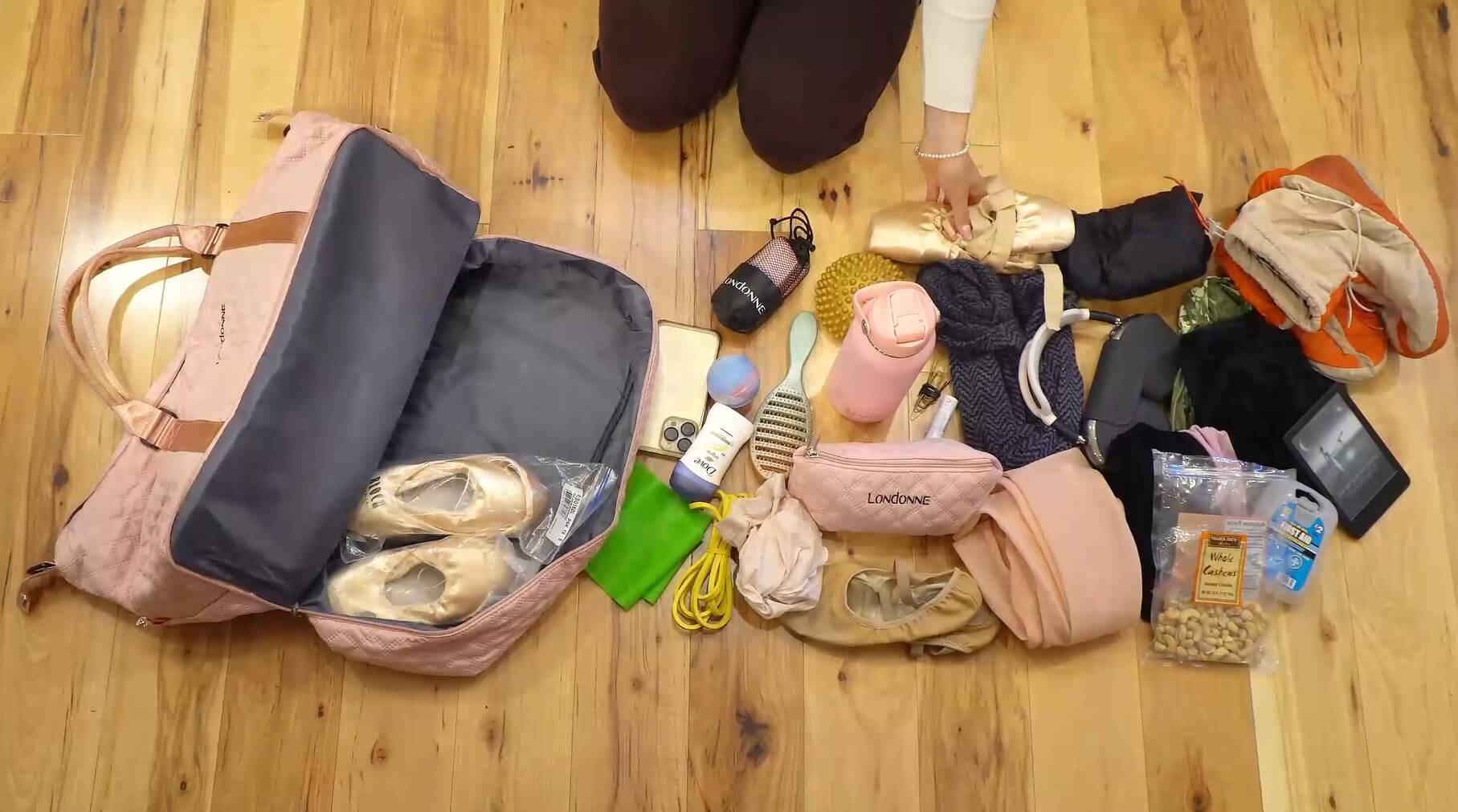
Every Ballerina’s Portable Dressing Room
What to pack, how to organise it and how to choose the right one – the complete guide.
Ask any ballerina what is in her bag and the answer will be longer than you expect. A ballet bag is much more than a holdall for clothes – it is a portable, organised system, and how well it is packed decides whether class goes smoothly or turns into a frantic last-minute search.
Why does an organised bag matter?
Picture it: five minutes before class you realise your pointe shoes are at home, you forgot your warm-ups and the strap on your leotard has snapped. Sound familiar? A well-organised ballet bag does more than save stress – it directly affects your focus and readiness for class.
When you know you have everything you need, you walk into the studio calm and focused. When you have forgotten something or have to dig through a chaotic bag, you have spent your mental energy before class has even begun.
The ballet bag is like the wings of a theatre – the audience never sees it, but the performance is impossible without it.
The complete list: what your ballet bag should contain
* Dark blue = absolutely essential. Light blue = recommended.
Types of ballet bags: which one is for you?
Classic ballet tote
A roomy, soft bag with a wide opening. The classic option for everyday classes. Easy to pack and easy to find things in.
Ballet backpack
More practical when travelling by public transport. Spreads the weight evenly. Has more compartments and pockets.
Duffel/sports bag
Maximum capacity. Suitable for ballerinas with a lot of kit or for travel. Heavier, but fits everything.
Small designer bag
For performances and exams. Compact and stylish, it carries only what you need for that particular event. Not for everyday training.
A bag with a compartment for wet items is an investment that pays off. A sweaty leotard and damp shoes after class make everything else in the bag damp too. A waterproof compartment or a separate pouch for wet things is a hygienic solution every ballerina should have.
First aid and spares: the little things that save the class
A small “first-aid kit” in the ballet bag is something most ballerinas only realise they need after their first painful blister or a snapped elastic in the middle of class.
Toe care
Working in pointe shoes puts a load on the toes that ordinary shoes do not prepare them for. Gel silicone toe pads are essential – they cushion the pressure of the box and protect the skin from blisters and calluses. Medical tape is for when a particular toe is more sensitive or the skin is already sore.
Thread, needle and elastics
The elastic on your ballet slippers or leotard can snap just as you need to walk into the studio. A well-prepared ballerina carries 2–3 spare elastics plus a needle and thread. Pointe shoe ribbons tear less often, but you should still have a spare set.
Hair: a quick-fix system
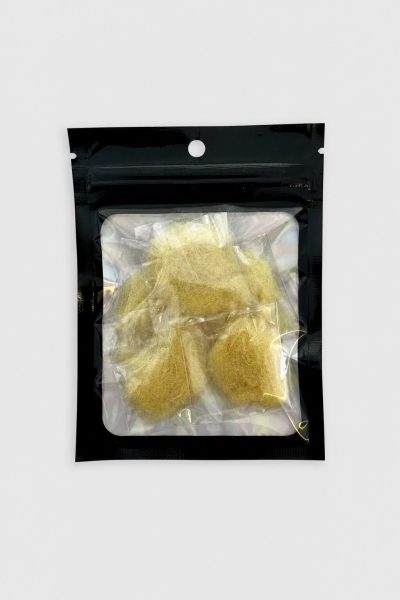
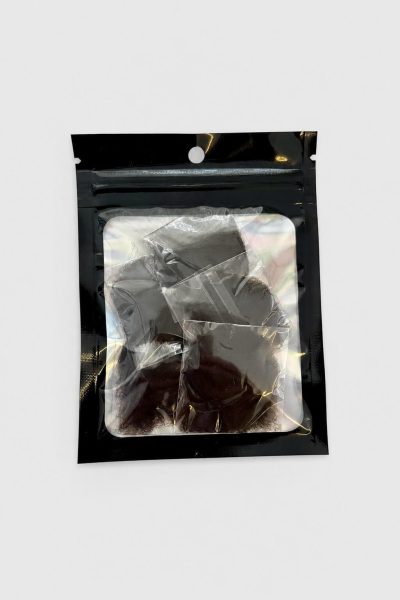
A bun coming loose in the middle of class is a nuisance, but it can be a real problem during acrobatic movements or partnering. Seamless hair ties, bobby pins and a little hairspray should live in a separate pouch where you know exactly how to find them in 30 seconds.
| Item | Quantity | Why it matters |
|---|---|---|
| Gel toe pads | 1 set | Protection in pointe shoes, less friction |
| Medical tape | 1 roll | Covering blisters and preventive protection |
| Spare shoe elastics | 2–3 | For when one snaps at the worst moment |
| Seamless hair ties | 5–6 | Quick hair fixes |
| Hairpins/bobby pins | 10–15 | Keeping the bun in place while you move |
| Thread + needle | 1 set | Sewing on ribbons and quick repairs |
How to organise your bag: the compartment system
A chaotic bag where everything is jumbled together is worse than a small but organised one. Here is a system that works:
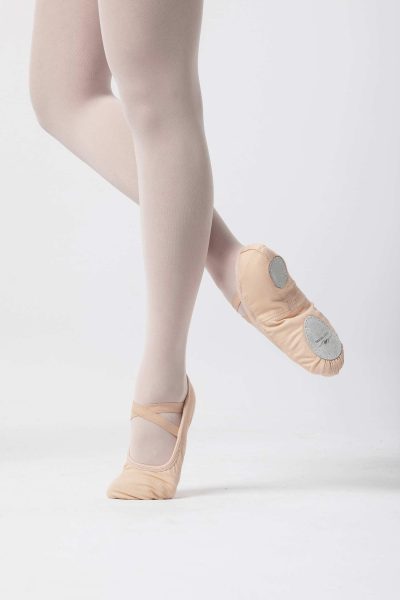
- Compartment 1 – shoes: Pointe shoes/slippers in a separate pouch or a dedicated pocket. Never right next to a clean leotard – shoes carry dust and rosin from the studio floor.
- Compartment 2 – clothing: A clean leotard, tights and skirts, folded together. They can go in a bag so they do not mix with everything else.
- Compartment 3 – warm-ups: Leg warmers and a cardigan – within easy reach, because you take them off and put them on many times.
- Small pouch – accessories: First-aid kit, hair ties, needle and thread. Everything in one place that you know by heart.
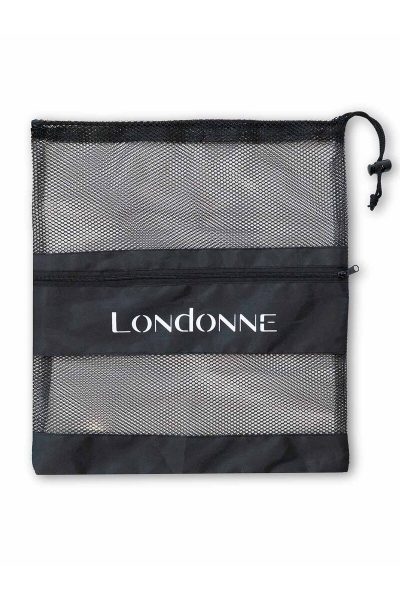
- Wet compartment: A waterproof pocket or separate pouch for sweaty clothes after class.
- Water and a light snack: Always, no exceptions. A dehydrated brain learns more slowly and reacts more slowly.
Pack your bag the evening before class, not in the morning. The morning rush is the main reason things get forgotten. Make a physical checklist (or take a photo of a fully packed bag) and check it every time. After 2–3 weeks it will become automatic.
The ballet bag as a style accessory
A ballet bag is not just a functional object – it is a visible part of a ballerina’s image. When you walk into or out of the studio, your bag says something about you. It can be a classic black leather tote, a bright pink backpack or a modern bag with a designer print.
At mjdance.bg you will find ballet bags that combine practicality and style – roomy enough for everything you need and beautiful enough to carry with pride.
Ballet bags at mjdance.bg
Our collection of ballet bags is chosen with dancers’ needs in mind – functionality, plenty of compartments, durable materials and beautiful design. A perfect gift for a beginner ballerina, or for yourself at the start of a new season.
Special section: the ballet bag for children
For children, the ballet bag has an extra role: it teaches responsibility and self-organisation. A child who knows what is in their bag and has helped pack it develops valuable independence skills.
With young children (3–7 years old), parents look after the bag. From around 8 years old it is good practice to involve them: show them the “system” and give them responsibility for certain things (packing their slippers, taking their water). Gradually they take over completely.
- Choose a bag in which the child can easily reach everything
- A bright colour helps them spot it quickly in the changing room
- Put a name sticker in two separate places – on the bag and on the shoes
- Give the child their own small pouch for hairpins – children love having “their own zone” in the bag
Read more
- Getting Ready for a Summer Ballet Intensive: A Guide to the Must-Pack Essentials
- How to Choose Pointe Shoes: The Complete Guide
- How to Choose a Ballet Leotard: Everything About Fabric, Cut and Style
- Ballet Tights: The Complete Buying Guide
- Ballet Warm-Ups: Why You Need Them and How to Choose
- Back to the Ballet Studio After Summer: How to Get Back in Shape
Find the perfect ballet bag
A collection of ballet bags and accessories at mjdance.bg – practical, stylish and made for ballerinas.
Shop the collection