


The Complete Packing Guide
You Need
Everything you need to bring – from pointe shoes and leotards to a first-aid kit and snacks – to get the most out of your intensive course.
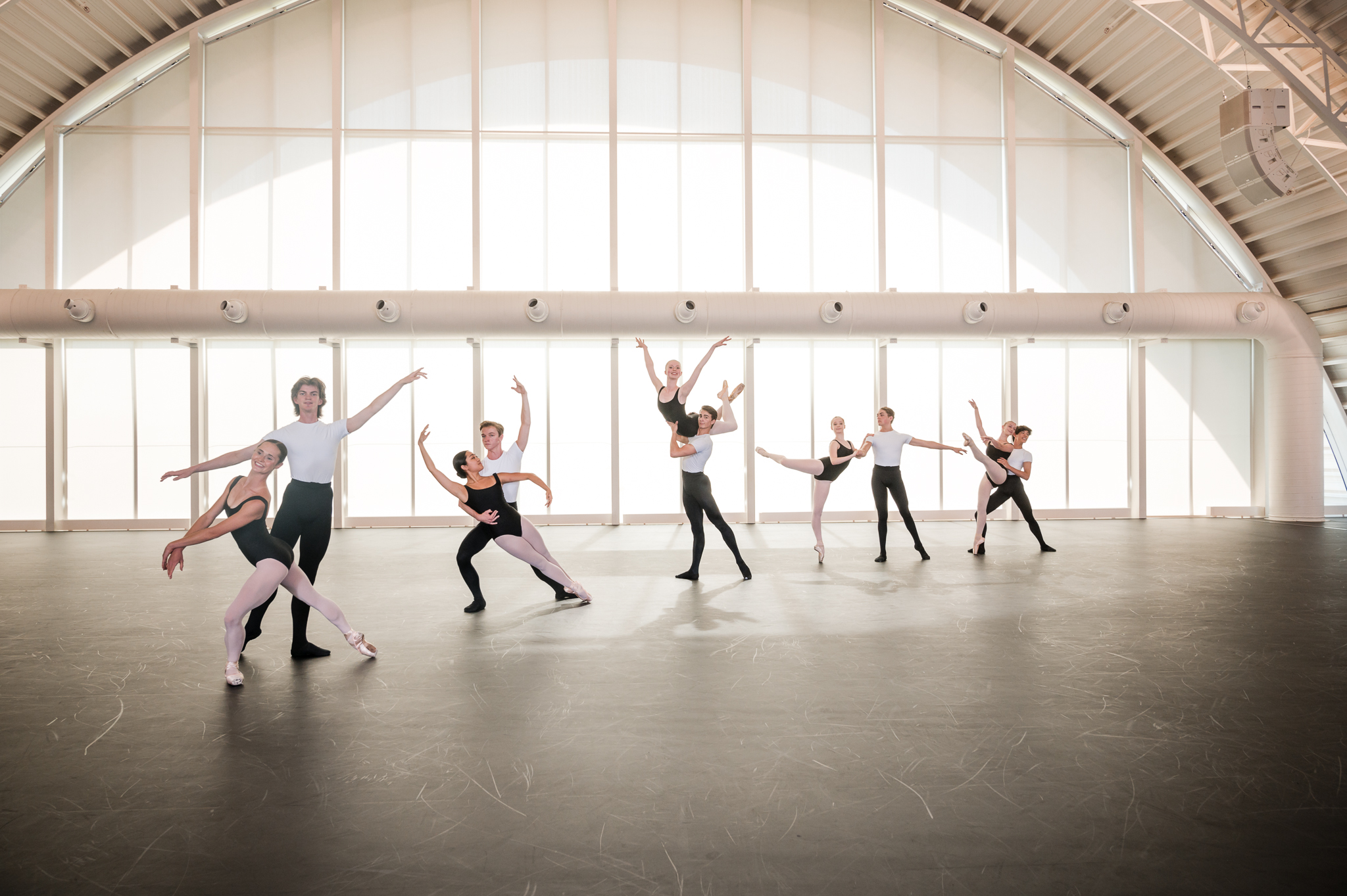
A summer ballet intensive is one of the most intense and exciting experiences a dancer can have. A new studio, new teachers, new friends – and a packed schedule from morning to evening. Packing well is the quiet difference between the dancer who feels ready and confident and the one who misses the first class because she left her pointe shoes at home.
First of all: plan, don’t pack blindly
The difference between your bag for a regular class and your luggage for a summer intensive is huge. On intensive courses a typical day includes 4 to 8 hours of training – ballet, pointe, character, contemporary, maybe pas de deux or repertoire. Every style needs its own shoes, and every class means sweaty clothes and a clean change.
The rule is simple: work out how many outfits you will use between two washes and add about 20% as a buffer. If the intensive lasts 2 weeks, you change twice a day and you will do laundry every 2–3 days, pack at least 5–6 leotards, not 4. If you will not be able to do laundry, you need one leotard for every change. The laundry room will not always be available, and sometimes clothes are not dry by the morning.
Summer brings extra challenges: the studio can be hot, you sweat more, and clothes take longer to dry when it is humid. Choose fabrics that wick moisture well and pack more than you think you need – you will thank us by day three.
Shoes: the foundation of everything
Pointe shoes
The standard advice from experienced teachers is one pair of pointe shoes for every week of training. With daily classes and 3–5 hours on pointe, the shank softens much faster than in regular classes. Do not rely on a single pair – if the shank breaks halfway through the course, you will be left with nothing.
| Length of the intensive | Minimum pairs of pointe shoes | Recommended pairs |
|---|---|---|
| 1 week | 1 pair | 2 pairs |
| 2 weeks | 2 pairs | 3 pairs |
| 3–4 weeks | 3 pairs | 4–5 pairs |
Never bring only brand-new, unbroken pointe shoes to an intensive. At least one pair should be broken in beforehand – new shoes + an intensive schedule = a serious risk of blisters and pain that can ruin the whole experience.
Soft ballet slippers
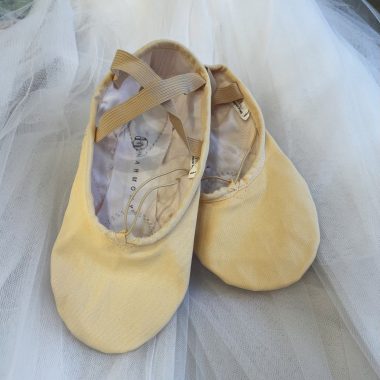
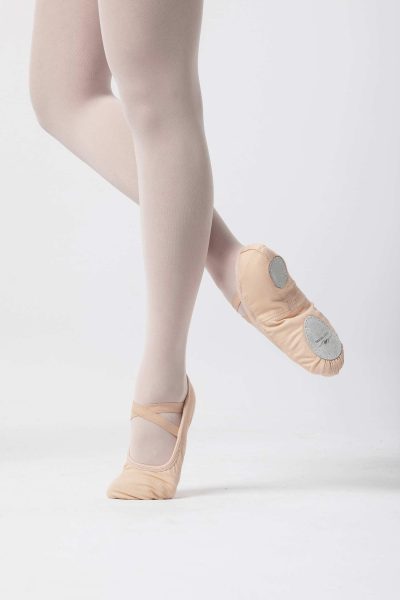
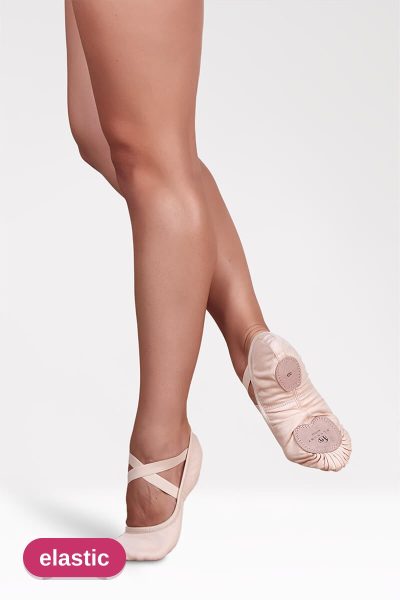
Bring at least two pairs of soft ballet slippers. Slippers wear out faster than pointe shoes and on an intensive course may not even last a week of daily use. A spare pair is a must.
Shoes for other styles
Check your intensive’s schedule in advance. If it includes jazz, tap, character or contemporary dance, each style needs specific footwear. Don’t guess – contact the organisers and ask directly before you pack.
- Jazz shoes – for jazz and lyrical. They differ in how stiff the sole is.
- Character shoes – for folk and character dances. Usually with a small heel and a leather sole.
- For contemporary dance – most dancers work barefoot or in socks.
Clothing: more than you think
Ballet leotards
Bring a variety of leotards in different styles and colours. An important rule: check your intensive’s dress code in advance. Many intensive programmes require specific leotard colours for each type of class – for example white for classical ballet, black for contemporary, pink for pointe.
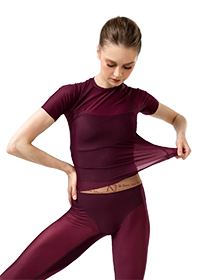
For summer conditions it is especially important to choose breathable fabrics that wick moisture – Bi-flex®, polyamide with elastane or specialised technical fabrics. A cotton leotard is less suited to intensive summer work because it holds moisture.
For the heat
Thin fabric, sleeveless, a wide neckline. The priority: maximum moisture-wicking and breathability.
For repertoire/stage
A prettier leotard with details. Check the programme’s requirements for a possible final performance.
Spare sets
At least 3–4 leotards a week if you do laundry regularly. With two changes a day – at least 5–6 for two weeks.
Ballet tights
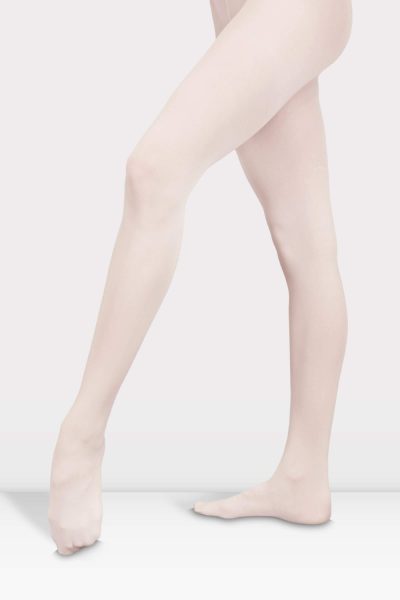
Bring more than you think you will need – that is the advice of every teacher, born of years of experience. Tights ladder, get forgotten while wet, go missing – and it is far better to have a few extra pairs.
Choose convertible tights (with an opening under the sole) if you work in both pointe shoes and slippers – they save you changing between classes. Bring enough in both colours if the intensive requires different ones for different disciplines.
Warm-up wear
Even in summer, warm-ups are essential. Many summer intensives take place in air-conditioned buildings – the studio can be much cooler than the corridor. Leg warmers and warm-up pants protect your muscles and tendons between classes.
Light warm-ups – thin cotton trousers or a light mesh cardigan – are the ideal compromise: warmth without overheating in summer conditions.
Ballet skirts
Ballet skirts are not just decorative – they are a required part of the dress code at many schools and with many teachers. A skirt adds a sense of style and extends the lines of the body as you work. Bring at least two: a light, practical one for class and a prettier one for the final performance or exam.
Ballet skirts made of light chiffon take up almost no space in your suitcase and weigh next to nothing. Bring 2–3 without a second thought – they solve a lot of situations.
Mara Dancewear – our partner
Mara Dancewear is a Spanish balletwear brand with its own designs, specialising in leotards, skirts and warm-ups made from high-quality fabrics with a modern aesthetic. Their leotards and ballet skirts are designed for comfort during long classes and look elegant on stage. Browse the full Mara Dancewear collection at mjdance.bg.
Accessories: the small things that matter most
Hair
A ballet hairstyle is not about looks – it is about discipline and safety. Teachers expect a neat bun or braid in every class. Here is the full kit:
- Seamless hair ties – at least 10–15 (they vanish as if by magic)
- Hairpins and bobby pins – 20+. Classic black and nude are the standard
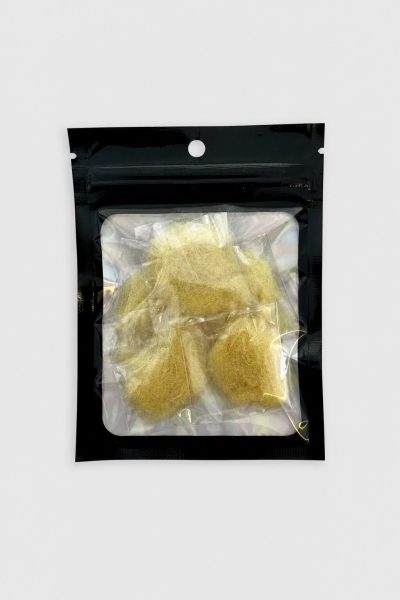
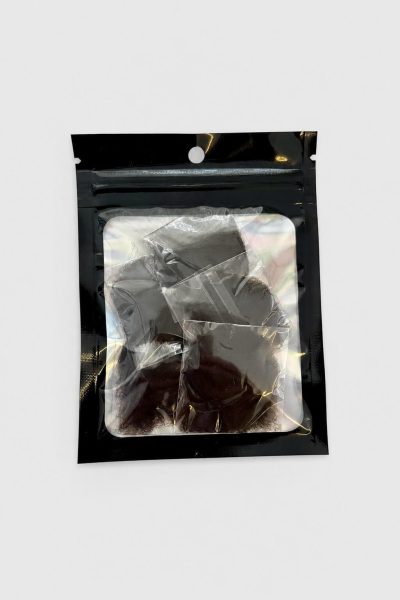
- Bun nets – at least 5–6. Essential when the dress code is strict
- Hair gel and hairspray – for taming baby hairs and a sleek hairstyle
- Comb and brush – fine grooming of the hair needs the right tools
Pointe shoe accessories
This is the small stuff that decides whether you work or suffer (see also the accessories in our shop):
- Gel toe pads – at least 2 sets. They wear out faster with intensive work
- Medical tape – for blisters and preventive protection of vulnerable areas
- Toe spacers – if you normally use them, bring twice as many
- Thread and needle – for sewing ribbons and quick repairs. No exceptions
- Spare elastics and ribbons – at least 2 spare sets
Ballet bag
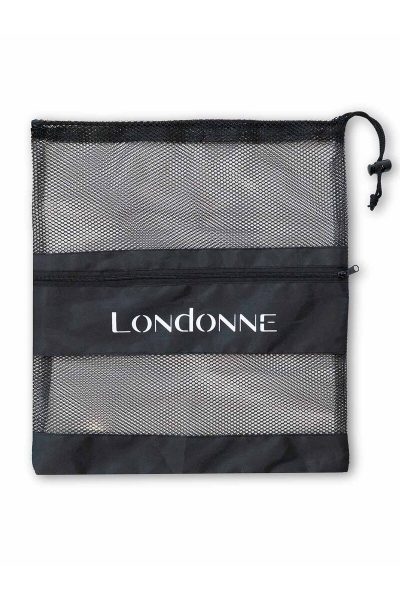
For a summer intensive your usual class bag may not be enough. You need a large, well-organised bag or backpack that fits your kit for the whole day – two changes of clothes, shoes, accessories, water and food. Consider a separate, smaller bag just for accessories so you can find everything quickly.
Extra training accessories
Resistance bands
For warming up the ankles, working the arch and strengthening the turn-out muscles. Small, light and indispensable during intensive training.
Foam roller
For myofascial release after class. It loosens tired muscles and reduces soreness the next day.
Tennis ball
A cheap alternative to a foam roller for targeted massage of the foot. Ballerinas love it after a long day on pointe.
Yoga mat
For floor exercises, stretching and conditioning. Not every studio has enough mats.
Personal care: your body is your instrument
A small first-aid kit
With intensive training, minor injuries are almost inevitable. A well-stocked first-aid kit lets you deal with them on the spot without missing classes:
- Plasters (band-aids) – assorted sizes. Standard ones plus blister pads
- Leukotape or another sports tape – for joint support and preventive protection of vulnerable areas. For covering blisters, a soft tape such as Medipore works better
- Antiseptic – gel or spray for treating minor injuries
- Anti-inflammatory gel or ointment (Voltaren or similar) – for muscle pain and minor injuries. For children – only after consulting a doctor or pharmacist
- Instant cold pack – for quickly cooling a mild sprain or swelling
If you are the parent of a summer intensive participant, make sure your child knows how to use the first-aid kit. Give them clear instructions and contact details. In case of more serious pain or injury, tell the teacher or the organisers immediately.
Hydration: more important than you think
With 4–8 hours of training a day, the body loses a lot of fluid. Dehydration causes fatigue, headaches, poor concentration and a higher risk of injury. Don’t wait until you are thirsty – drink regularly.
Bring a bottle of at least 750 ml – 1 litre that closes easily and won’t leak in your bag.
Food: a dancer’s fuel
On an intensive schedule, regular meals are almost impossible – the breaks between classes are short. Easy-to-eat snacks in your bag are a lifesaver at these moments:
- Nuts – walnuts, almonds, cashews. Rich in protein and healthy fats, they provide long-lasting energy
- Fresh fruit – bananas (quick carbohydrates for energy), apples, grapes
- Protein bars – choose ones with a balanced profile and not too much sugar
- Rice or oat cakes – complex carbohydrates for longer-lasting energy
- Dark chocolate (70%+) – magnesium, antioxidants and a quick mood boost
The brain uses about 20% of the body’s total energy and works best only when blood sugar is stable. When levels drop (after a skipped meal or a long gap), concentration and coordination suffer significantly – exactly the opposite of what you want during intensive ballet work.
Personal hygiene and cosmetics
With intensive daily training, hygiene is not just about comfort – it is a matter of respect for your fellow dancers and teachers. The basic kit:
- Shampoo and conditioner – with heavy sweating, hair is washed every day
- Deodorant – choose a roll-on or stick over a spray in shared spaces
- Shower gel / soap
- Sunscreen – if the intensive includes outdoor activities
- Basic make-up for the final performance – stage make-up as required by the programme
- A microfibre towel – dries quickly and takes up little space
The complete checklist before you leave
* Dark orange = absolutely essential. Light orange = recommended. Sand = nice to have.
Read more
- The Ballet Bag: What to Pack and How to Choose One
- How to Choose Pointe Shoes: The Complete Guide
- How to Choose a Ballet Leotard: Everything About Fabric, Cut and Style
- Ballet Tights: The Complete Buying Guide
- Ballet Warm-Ups: Why You Need Them and How to Choose
- Back to the Ballet Studio After Summer: How to Get Back in Shape
Find everything you need for your summer intensive
Pointe shoes, leotards, skirts, warm-ups, tights, accessories – everything for a successful intensive course, from mjdance.bg with fast delivery across the EU.