


how to get back in shape
A gradual return, strength before range, realistic goals and a kit check – everything you need to start the season confidently and injury-free.
Summer is over, the pointe shoes are back in the bag and the leotard is waiting on its hanger. The break was well deserved, but the first weeks after it are tricky: your mind remembers how far you had come by spring, while your body is not yet ready to do it again. Here is how to return to the studio so that you get back up to speed quickly – without risking an injury at the very start of the season.
Why the first weeks are the riskiest
After a few weeks without regular classes, muscles lose some of their strength and endurance, while tendons and joints adapt to load more slowly than muscles do. Motivation at the start of the season is high, and so is ambition – and it is exactly this combination that leads to the classic autumn problems: tight calves, sore Achilles tendons, overloaded feet.
The good news is that what you lost comes back much faster than it took to build in the first place. All it takes is patience and a little planning.
You notice it most in the feet and calves – they carry the main load in relevé, jumps and pointe work. Flexibility also drops if you have not stretched over the summer, and endurance falls even in otherwise active people. Exactly how much depends on the length of the break and whether you kept moving during the holidays.
1. Don’t rush: a gradual return
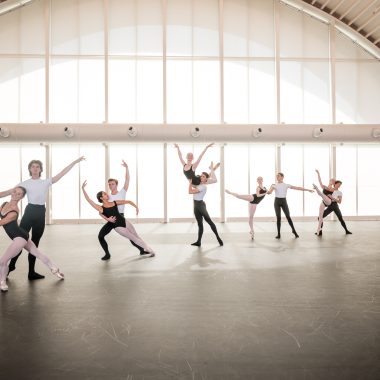
Your body is out of its training rhythm, and too much load in the first days leads to muscle fatigue – and from there to injury. Give yourself time: ease back into classes, spend more time warming up and build endurance day by day. Here is a rough plan for the first month:
Basics and warm-up
Focus on the barre, positions and correct placement. No maximum jumps and no forced splits. Pointe work only if the teacher includes it, and only briefly.
More time in the centre
Adagio and small jumps. Notice how your calves and Achilles tendons feel the next day.
Full class
A gradual return to the full class structure. Pointe work gets longer step by step, as long as there is no pain.
Normal rhythm
Big jumps, turns and variations. Most dancers already feel their form coming back.
* The plan is a guide only. Always follow your teacher’s instructions.
Muscle soreness in the first few days is normal. Sharp or stabbing pain, pain in the joints or in the Achilles tendon that has not gone by the next class, is not. If that happens, stop, tell your teacher and see a doctor.
2. Strength before range
Coming back after a long break means rebuilding your strength. Don’t skip strengthening and stretching exercises – they not only restore your muscles but also improve flexibility. A few simple exercises at home, 15–20 minutes several times a week, make the first classes much easier:
- Relevé on two feet and on one – slowly up and even more slowly down, with control. They strengthen the calves and feet, which take the most load in jumps and pointe work.
- Resistance band exercises – pointing and flexing the foot against resistance. Excellent preparation for returning to pointe.
- Plank and core exercises – a stable centre makes balance and turns easier.
- Glute bridge – supports pelvic stability and the height of your extensions.
- “Clamshells” lying on your side – activate the deep hip muscles responsible for turn-out.
Stretch after class or after a warm-up, never on cold muscles. In the first weeks, don’t chase the splits you had before the summer – flexibility will come back once your muscles are strong again.
3. Trust your muscle memory
Don’t worry if a step or jump doesn’t come out right the first time. Movements you have repeated thousands of times are deeply stored in your muscle memory. Even after a break your body “remembers” them, and after a few classes they start to come on their own. Instead of getting frustrated, notice how each class is a little easier than the last.
A break doesn’t erase years of work in the studio. It simply gives you the chance to start the season with a rested body.
4. Set goals – small and measurable
Even though it is important not to overdo it, it helps to set goals that challenge you and bring you back into shape faster than you expect. Decide what you want to achieve in flexibility, technique and performance – and track your progress.
Flexibility
For example: get your splits back by the end of the first month. Measure the distance to the floor once a week.
Technique
For example: a stable double pirouette by November. One specific goal is more useful than “getting better”.
Endurance
For example: get through the whole adagio without losing control at the end. Note how you feel after class.
Record a short video of the same exercise in the first week and again after a month. The difference is often bigger than it feels from the inside – and it is the best motivation to keep going.
5. Look after your body and mind
To get your body back in shape, you have to look after it. When body and mind are in good condition, getting back into a training rhythm is much faster.
- Sleep – muscles recover while you sleep. After the summer your routine is often off, so get it back on track before the first classes.
- Water – bring a bottle to every class and drink regularly, not only when you feel thirsty.
- Balanced meals – regular meals and a light snack before class give you energy for the whole session.
- Warm-up wear – autumn studios are cooler. Leg warmers and warm-up pants keep your muscles warm at the start of class and during breaks. Read more in our guide to ballet warm-ups.
- Rest days – recovery is part of training, especially in the first weeks.
6. Don’t compare yourself
Comparing yourself with others only slows your progress. Every dancer has their own rhythm – one danced at a summer intensive, another rested completely, a third grew a few centimetres and is now getting used to a new body. Don’t burden yourself with expectations: coming back after a long break is stressful enough for the body on its own. Don’t get discouraged – trust the process and your own pace.
Before the first class: check your kit
Summer is when children grow, and last season’s kit gets forgotten in the bag. Before the first class, take ten minutes to check everything – an uncomfortable leotard or tight slippers can ruin a whole class.
| What to check | Sign that it’s time to replace it |
|---|---|
| Leotard | It pulls on the shoulders, the leg line rides up, the elastics are stretched |
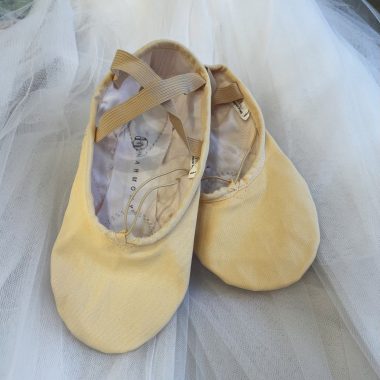
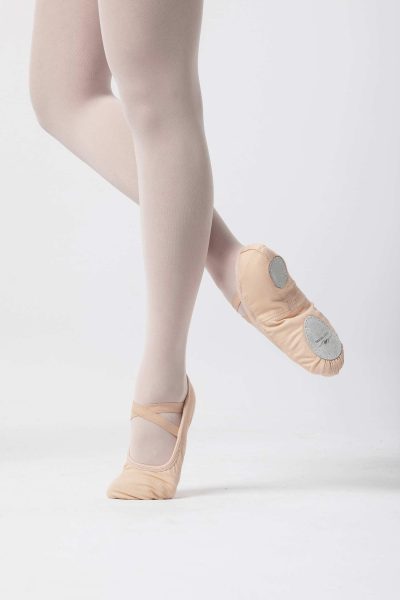
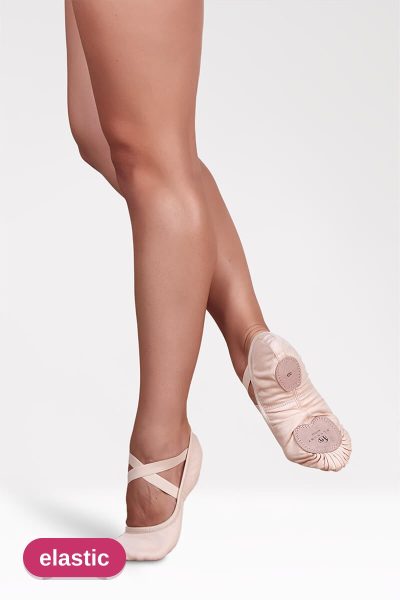
| Ballet slippers | The toes touch the end or curl, the sole is thin or torn |
| Pointe shoes | The shank has softened, the box is soft or the foot has grown |
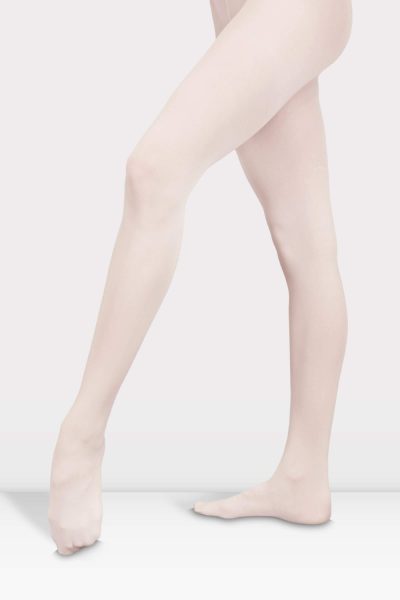
| Tights | Ladders, holes, a loose waistband |
| Warm-ups | They have become short or tight, the fabric has worn thin |
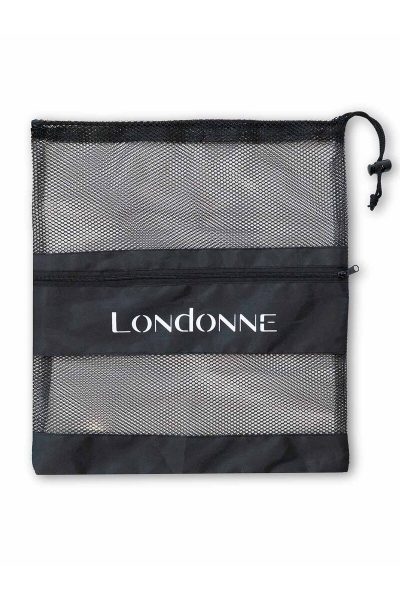
Pointe shoes need special attention: the size and width should be checked again if the foot has grown. You will find a detailed guide to choosing the right pair in our guide to choosing pointe shoes. And so you don’t forget anything, see also what to pack in your ballet bag.
Children rarely say their shoes have become too small – they just dance more cautiously. Ask your child to rise onto their toes and show you how their slippers or pointe shoes feel, and check that the leotard doesn’t pull during port de bras. If you are unsure about pointe shoe size, ask the teacher.
Mara Dancewear – for the new season
Leotards, skirts and warm-ups from the Spanish brand Mara Dancewear are made for comfort during long classes and look elegant in the studio. Their warm-up trousers and shorts in pastel colours are a comfortable choice for cool autumn studios. Browse the Mara Dancewear collection at mjdance.bg.
Follow these tips and you will be back in your rhythm sooner than you think. We wish you a successful and inspiring new season!
Read more
- Getting Ready for a Summer Ballet Intensive: A Guide to the Must-Pack Essentials
- The Ballet Bag: What to Pack and How to Choose One
- How to Choose Pointe Shoes: The Complete Guide
- How to Choose a Ballet Leotard: Everything About Fabric, Cut and Style
- Ballet Tights: The Complete Buying Guide
- Ballet Warm-Ups: Why You Need Them and How to Choose
Get ready for the new season
Leotards, ballet slippers, pointe shoes, tights and warm-ups – everything for your return to the studio, from mjdance.bg with fast delivery across the EU.